
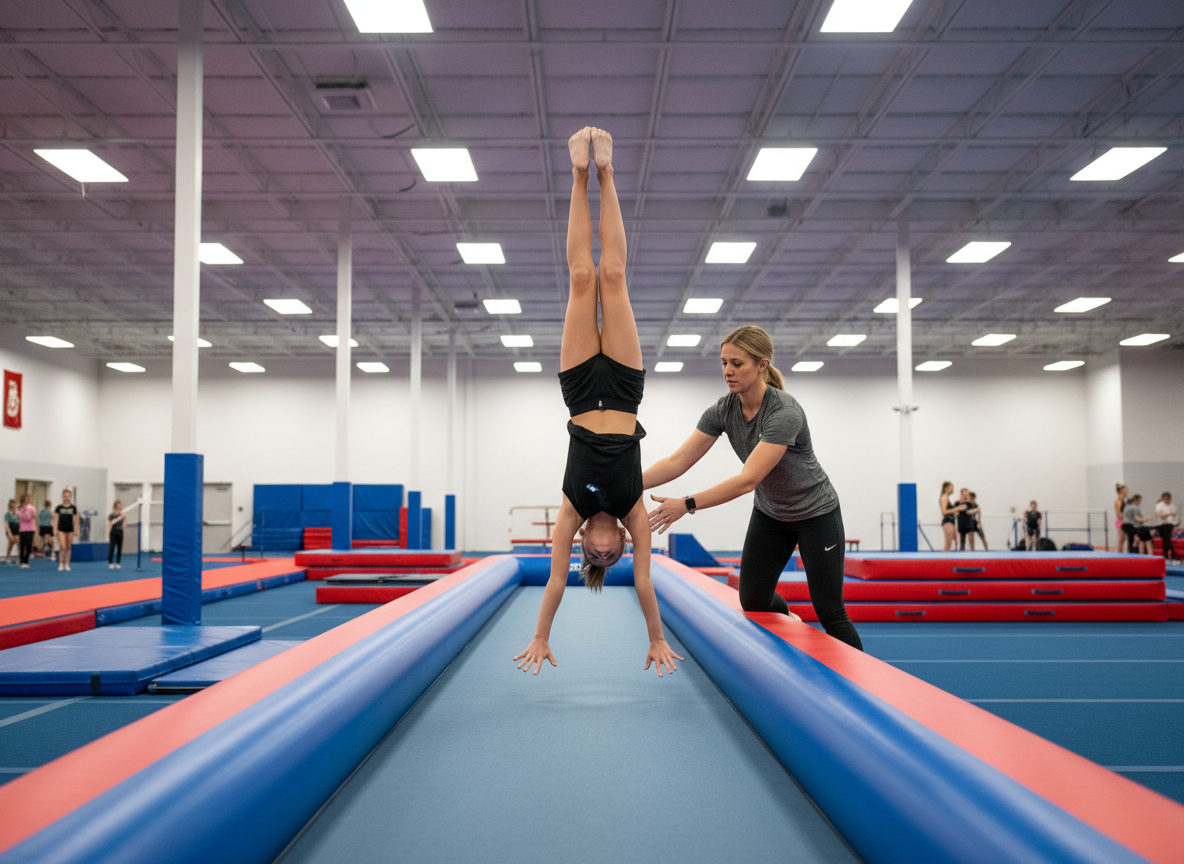
Train Smarter in 2026: Cheerleading Tips to Level Up Safely
As we kick into 2026 and the season ramps up—from state comps to chasing Worlds bids—now’s the perfect time to focus on training smarter. Cheerleading demands strength, flexibility, teamwork, and mental toughness. Whether you’re a base lifting flyers sky-high, a tumbler building cleaner passes, or a dancer sharpening motions, the goal is the same: progress safely, consistently, and with great technique.
Quick safety note: Always train within your current level, use qualified coaching and appropriate spotting, and follow progressions—especially for stunts and tumbling.
1. Prioritise Strength Training (and Train It Like a Cheer Athlete)
Stunts don’t hold themselves. A strong foundation helps you hit skills with better control and reduces injury risk.
The “Strength Pillars” for Cheer
- Leg drive (bases + jump height): squats, deadlifts, split squats
- Shoulders + upper back (stunt stability): rows, pull-ups, face pulls, overhead pressing
- Core stiffness (shapes + landings): hollow holds, dead bugs, Pallof press, carries
- Single-leg strength (take-offs/landings): step-ups, single-leg RDLs, lateral lunges
Sample Strength Session (45–60 min)
- Warm-up (8–10 min): light cardio + dynamic mobility (hips, ankles, shoulders)
- Main lift (3–5 sets): squat or deadlift variation (keep form crisp)
- Secondary lift (3–4 sets): split squat or hip thrust
- Pull + push superset (3 sets): row + push-up/press
- Core finisher (6–8 min): carries + hollow hold or Pallof press
How often: Aim for 2–4 strength sessions per week, depending on your team training load.
Movement Methods (So Strength Transfers to Skills)
- Tempo reps: slow on the way down (e.g., 3 seconds) to build control for stunt positions and landings
- Isometric holds: pause in strong positions (e.g., split squat hold, plank variations) to improve stability under pressure
- Unilateral work: single-leg/single-arm to fix imbalances that show up in tumbling and jumps
- Quality > quantity: stop sets when technique drops—clean reps build clean skills
2. Add Power, Plyometrics, and Landing Mechanics
Cheer is explosive. Power training bridges the gap between strength and performance.
Power Ideas (Pick 2–3 per week)
- Box jumps (stick the landing quietly)
- Broad jumps (distance + control)
- Bounding (for tumbling run power)
- Med ball throws (chest pass, overhead slam)
Landing Method: “Quiet Feet, Strong Shapes”
- Land soft and silent
- Knees track over toes (no collapsing inward)
- Ribs down, core tight (avoid arching)
- Reset and repeat—don’t rush sloppy reps
3. Build Flexibility and Improve Tumbling—With Progressions
Longer tumbling passes and higher jumps are trending in 2026 routines, but flexibility and power need to be trained deliberately.
Daily Mobility (10–15 minutes)
- Splits, bridges, and needle scales: hold 30–45 seconds, 2–3 rounds
- Active flexibility: leg lifts, controlled kicks, and banded mobility to build strength in range
- Ankles + hips: calf stretches, hip flexor openers, glute activation (huge for take-offs)
Tumbling Progression Rules That Keep You Safe
- Start with drills on mats/tumble track before moving to full passes
- Increase one variable at a time (speed or height or connection)
- Aim for 8/10 consistent reps before you level up
“Move Method” for Learning Skills Faster
- Chunk it: break the skill into 2–3 parts (entry, flight, landing)
- Drill the weakest link: spend extra time where form breaks
- Video + one cue: review footage and choose one focus cue per session
4. Train Teamwork and Mental Prep
Cheer is built on trust and timing. The best teams aren’t just strong—they’re connected.
- Partner and group drills: practise stunts with clear communication cues (count-ins, call-outs, reset words)
- Pressure sets: run short “hit” sections with a reset standard (if it’s unsafe or messy, reset and fix)
- Visualisation: mentally rehearse routines to reduce nerves and improve confidence under pressure
Recovery is part of performance:
- Schedule at least 1 full rest day per week
- Add foam rolling and light mobility after sessions
- Fuel training with protein + carbs and stay hydrated—especially in hot Aussie gym sessions
If you’re sore, tired, or your technique is slipping, that’s a sign to scale back—not push harder.
5. Gear Up Right
The right gear supports safer training and better quality reps.
- Shoes: good grip and support for jumps and tumbling
- Home practice: only do what’s safe without a coach—use appropriate mats and stick to drills
- Uniforms/training wear: breathable, secure fit, and appropriate for spotting
A Simple Weekly Training Template (Adjust to Your Schedule)
Use this as a guide and tailor it around team training and school/work commitments.
- 2x strength (heavier + controlled)
- 1–2x power/plyos (short + sharp)
- 2–4x skill sessions (tumbling/stunting/dance, depending on your role)
- Daily mobility (10–15 minutes)
- 1x recovery day (rest + light walk/mobility)
Final Thoughts
Training consistently now sets you up for a stronger, safer season—cleaner skills, better execution, and more confidence when it counts. Stay dedicated, support your teammates, and enjoy the journey.